Moving to North Inland San Diego
When buyers ask me about moving to North Inland San Diego, they often arrive with preconceived notions about suburban sprawl or isolation. As an agent with the NewTown Real Estate team, I look at the raw data to tell the real story. The North Inland San Diego region, specifically communities like Rancho Bernardo and Poway, presents a fascinating micro-market characterized by steady demand and constrained inventory. Right now, we are seeing a median price point that hovers around $1.1 million for detached single-family homes, though that figure shifts dramatically depending on the specific neighborhood zip code. My goal here at Adam King Real Estate Strategies is to provide you with the honest, concrete numbers you need to navigate this market. If you are considering a relocation, understanding the underlying metrics, such as months of supply and absorption rate, is crucial to making an informed decision. The data will always guide us to the smartest move.
Table of Contents
- The Rancho Bernardo Market Dynamics
- Poway Real Estate Trends
- Comparing the Micro-Markets
- Infrastructure and Commute Times
- Investment Potential Inland
- Navigating Interest Rates
- Frequently Asked Questions
The Rancho Bernardo Market Dynamics
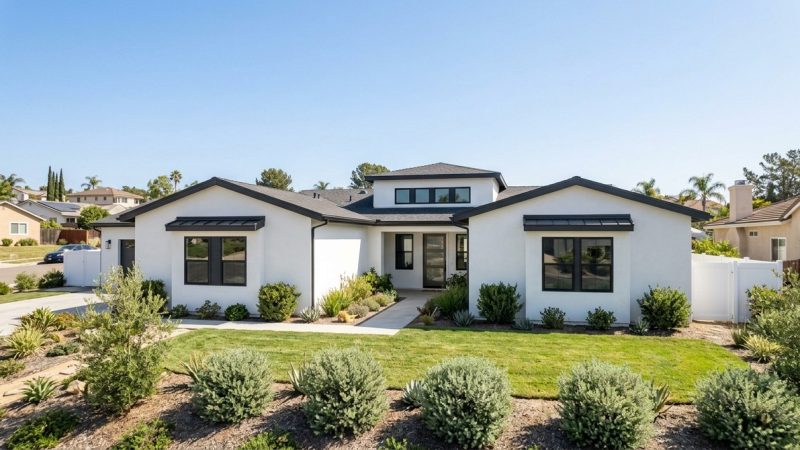
Rancho Bernardo is a master-planned community that attracts a wide demographic, from young professionals looking for top-tier school districts to retirees seeking established golf course communities. The housing inventory, which refers to the total number of active listings available on the market at any given time, remains incredibly tight. We currently have about 1.5 months of supply. In real estate economics, anything under five to six months of supply indicates a seller’s market, meaning there are far more active buyers than available homes. I regularly track specific listings to gauge neighborhood momentum. For example, looking at the recent activity around 13014 Olmeda Court in Rancho Bernardo provides a clear picture of what buyers are willing to pay for updated properties in quiet cul-de-sacs. Homes that are priced accurately and marketed well by our NewTown Real Estate team are seeing days on market, the average number of days a property sits actively listed before going under contract, drop to the low twenties.
Condominiums Versus Detached Homes
While the detached single-family home market in Rancho Bernardo is highly competitive, the condominium and townhome sector offers a slightly different narrative. Condos here often present a more accessible entry point, with median prices sitting closer to the $650,000 range. However, the absorption rate, which calculates how quickly available homes are sold during a specific time period, shows that these attached units are moving just as fast as detached homes. Buyers looking at properties similar to the 11109 Red Cedar Dr property must be prepared to act decisively. We guide our clients to have their financing fully underwritten before stepping foot into an open house so they can write an aggressive, clean offer the moment they find the right fit.
Poway Real Estate Trends
Just south and east of Rancho Bernardo is Poway, famously known as the City in the Country. Poway operates as its own municipality, which means it handles its own zoning, civic services, and school district administration. The Poway Unified School District is a massive driver of real estate demand here. When I analyze the Poway micro-market, the numbers reflect a significant premium for land. Many properties sit on half-acre lots or larger, pushing the median detached home price past the $1.3 million mark. This creates a distinct buyer profile compared to the denser neighborhoods closer to the urban core.
Managing Inventory and Expectations
Inventory in Poway is even more constrained than in Rancho Bernardo. Homeowners here tend to stay for decades, limiting the turnover rate. When a well-maintained property hits the market, such as homes similar to 12790 Via Nieve, the buyer response is immediate and forceful. We often see multiple offers on turnkey homes, but the data shows buyers remain highly sensitive to overpricing. If a seller lists 5 to 10 percent above the recent comparable sales, that property will sit. The market is completely honest in this regard. It will punish aspirational pricing with extended days on market, forcing eventual price reductions that ultimately net the seller less money than if they had priced it correctly from day one. Our strategy relies on pricing right at market value to drive organic competition.
Comparing the Micro-Markets
To truly understand the nuances of the inland corridor, we need to compare the data side by side. I have compiled a brief table to illustrate the structural differences in these neighboring communities to give you a clear baseline.
| Market Metric | Rancho Bernardo | Poway |
|---|---|---|
| Median Detached Price | $1.1 Million | $1.35 Million |
| Median Attached Price | $650,000 | $750,000 (Limited Inventory) |
| Months of Supply | 1.5 Months | 1.2 Months |
| Average Days on Market | 22 Days | 18 Days |
| Lot Size Profile | Standard Suburban (6,000 sq ft) | Rural/Equestrian (0.5+ Acres) |
Infrastructure and Commute Times
When buyers look at this region, the daily commute is often their first practical concern. The Interstate 15 corridor serves as the primary artery for the entire inland sector. During peak morning hours, southbound traffic toward downtown San Diego or the coastal employment hubs like Sorrento Valley requires strategic timing. The Express Lanes on I-15 offer a reliable alternative for solo drivers willing to pay the toll or carpoolers who can access them for free. Public transit options exist, primarily in the form of express bus routes originating from the transit centers, but the reality of the inland market is that it is heavily car-dependent. We factor this into our buyer consultations. If a client works in La Jolla, we map out the real-time commute data from specific neighborhoods rather than relying on generalized estimates. Living off a major arterial road in Poway might add ten minutes to the commute before you even reach the freeway, a detail that matters immensely to your daily quality of life.
Investment Potential Inland
Investors frequently ask me where they should park their capital in the current economic climate. While coastal properties offer high historical appreciation, their cash-on-cash return, a metric that measures the annual pre-tax cash flow divided by the total cash invested, is often extremely low due to exorbitant purchase prices. The inland communities present a much more balanced opportunity for yield. In Rancho Bernardo, long-term rentals are in high demand due to corporate campuses in the surrounding zip codes. Companies like Sony and BAE Systems have significant footprints here, creating a steady pool of relocation renters seeking quality housing. The capitalization rate, or cap rate, which evaluates the profitability of an investment property by dividing its net operating income by the current market value, tends to be stronger in these suburban markets compared to the coast. We help our investor clients analyze these cap rates property by property to ensure the numbers make sense before submitting an offer.
Navigating Interest Rates
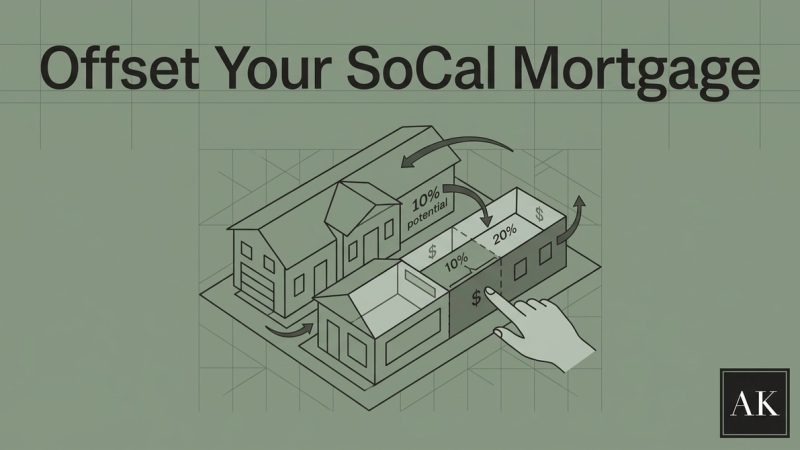
You cannot discuss buying real estate today without addressing the cost of capital. Interest rates have fluctuated, and this volatility directly impacts buyer purchasing power. However, I always remind clients that the interest rate is just one variable in the equation. Many of our successful buyers are utilizing rate buydowns. A rate buydown is a financing strategy where the buyer, seller, or builder pays an upfront fee to lower the interest rate on the mortgage for the first few years, or sometimes for the life of the loan. In some softer pockets of the market, we are successfully negotiating for the seller to cover this cost entirely. This strategy can save a buyer hundreds of dollars a month in the initial years of homeownership, providing essential breathing room as they settle into their new community. Understanding the local absorption rate helps us determine when to ask for a buydown. In Poway, where inventory is exceptionally tight, sellers are less likely to offer concessions. In certain condo communities in Rancho Bernardo, where inventory occasionally ticks up, we have much more leverage to negotiate these favorable financing terms.
Frequently Asked Questions
I receive many of the same questions from families and investors looking at the inland corridor. Here are the data-driven answers to help you prepare for your search.
Differences: Poway vs Rancho Bernardo
The most significant difference lies in lot size and municipal governance. Poway is an independent city offering larger, often rural-feeling lots with a distinct civic center and a strong agricultural heritage. Rancho Bernardo is a master-planned community within the city limits of San Diego, featuring higher-density housing, extensive HOA amenities, and numerous golf courses.
Is a rate buydown a solid strategy?
Not automatically. A rate buydown makes the most financial sense if you plan to stay in the home past the break-even point of the upfront cost, and if we can negotiate for the seller to pay that fee. We run the amortization schedules for every client to ensure the math aligns with their long-term financial goals.
How competitive is the buyer market?
With months of supply sitting between 1.2 and 1.5 months across the region, it remains a strong seller’s market. However, it is a highly localized and price-sensitive market. Overpriced homes sit and accrue market time, while accurately priced homes sell in roughly three weeks. Preparation and data analysis are your best tools for success.