Mello-Roos in San Diego: A Complete Guide
Navigating the local housing market can feel complex, but I am here to ensure you feel confident and clear on every decision we make together. 🏡 A major factor that often catches buyers off guard is the presence of Mello-Roos in San Diego. This specific property tax assessment is common in newer developments across the county, and it can significantly impact your monthly housing expenses. At Adam King Real Estate Strategies, my priority is helping you understand the full financial picture before you make an offer on your dream home.
Understanding Mello-Roos in San Diego
To fully grasp how these fees work, we have to look back at California tax history. In 1978, voters passed Proposition 13, which capped general property taxes and severely limited the ability of local governments to fund public projects. To bridge this funding gap, the state passed the Community Facilities Act in 1982, co-authored by legislators Henry Mello and Mike Roos. This law allowed local governments to create Community Facilities Districts (CFDs) to finance new public improvements and services.
When a developer wants to build a new master-planned community, they often need to construct entirely new infrastructure from scratch. Instead of paying for all these roads, schools, and utility lines up front, the developer works with the local government to issue tax-exempt municipal bonds. The home buyers in that specific community then pay off these bonds over time through a special tax added to their annual property tax bill. This means the cost of the neighborhood’s foundational infrastructure is directly passed on to the residents who benefit from it most.
Why Community Facilities Districts Exist
As our beautiful county continues to expand outward, the demand for modern public amenities grows alongside it. Local municipalities simply do not have the general tax revenue required to build new schools, fire stations, parks, and sewer systems for every new subdivision. The creation of a CFD ensures that these vital community features are fully funded without burdening residents in older, established parts of the city. Without this robust funding mechanism, many of the highly desirable suburban communities we see today would never have been built.
The funds collected through these special assessments are strictly earmarked for the specific district where they are levied. This means your tax dollars are directly supporting the immediate environment around your home, paying for things like neighborhood police services, library facilities, and street lighting. It is important to remember that these fees are not arbitrary penalties; they are the financial engine that powers the high quality of life found in modern master-planned developments. Understanding this direct connection between the tax and the local benefits can make the added expense feel much more justified for growing families.
How Much Do Mello-Roos Taxes Cost?
Unlike standard property taxes that fluctuate based on your home’s assessed value, Mello-Roos fees are typically a flat amount calculated by square footage or property type. Depending on the neighborhood and the specific bonds issued, this fee can range anywhere from a few hundred dollars to several thousand dollars per year. You will see this charge itemized directly on your annual county property tax bill alongside your standard ad valorem taxes. It is essential to factor this precise annual cost into your monthly housing budget to ensure you are comfortable with the total carrying costs.
Another important detail is that these special taxes do not last forever, though they do stick around for a long time. The municipal bonds funded by the CFD usually have a repayment term ranging from twenty to forty years. Once the bonds are fully paid off, the Mello-Roos assessment is supposed to be removed from the property tax bill entirely. However, some districts may vote to extend smaller portions of the fee indefinitely to cover ongoing maintenance for local parks and community centers.
Neighborhoods With Mello-Roos Fees
If you are looking at homes built after 1982, there is a high probability that the property is located within a Community Facilities District. In our county, areas that experienced massive suburban expansion in the late 1990s and early 2000s are the most common places to find these fees. Communities like Carmel Valley, 4S Ranch, Del Sur, and San Elijo Hills are prime examples of master-planned neighborhoods built with this type of bond financing. You will also frequently encounter these assessments in newer developments scattered throughout Santee, Chula Vista, and Eastlake.
When you tour homes in these newer zip codes, you will immediately notice the benefits that the tax dollars provided. The streets are often wider, the local parks are beautifully landscaped, and the neighborhood schools boast modern facilities. Many families happily pay the additional annual cost because they place a high premium on these upgraded community amenities. However, investors and budget-conscious buyers must constantly weigh these lifestyle benefits against the strict reality of higher fixed monthly expenses.
Areas Without These Special Assessments
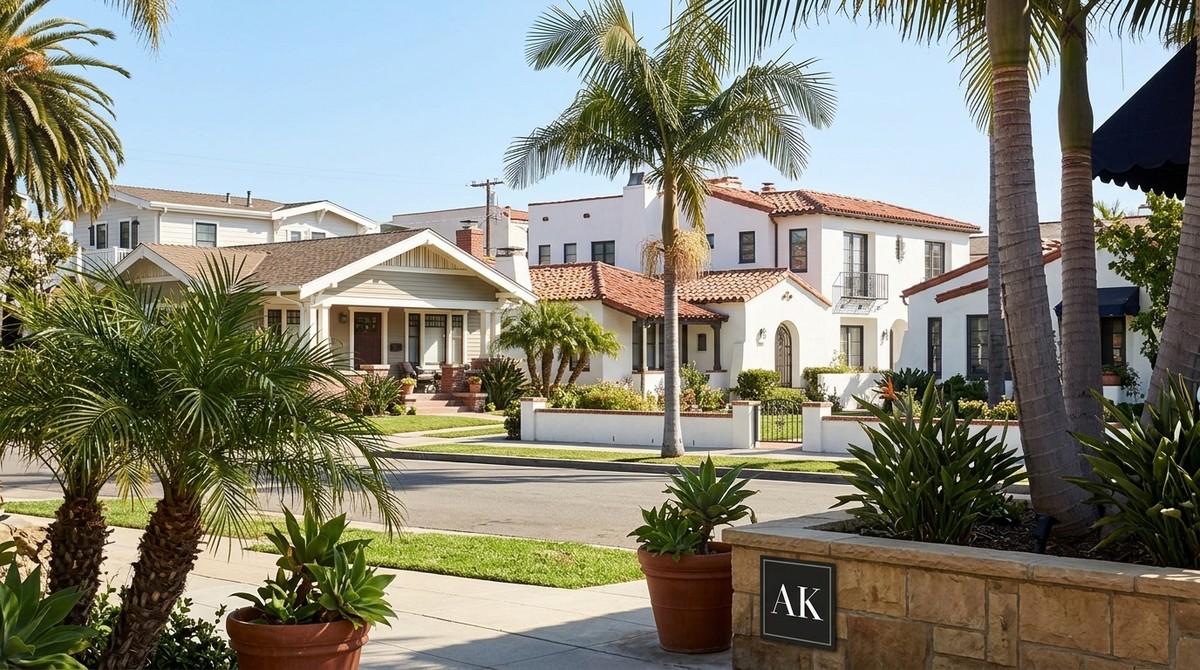
If avoiding a CFD tax is a strict priority for your home search, you will want to focus your attention on older, historically established neighborhoods. Communities built out prior to the 1980s rely entirely on standard property taxes, meaning your tax burden is much more predictable. For example, if you prefer mid-century architecture and established suburban layouts, you might explore the residential options in Clairemont where these special assessments are practically nonexistent. These neighborhoods offer mature landscaping, central locations, and a very straightforward property tax profile.
Similarly, many of our most famous coastal communities were fully developed decades before this legislation was enacted. Those seeking surf culture and walkability without modern subdivision fees often look toward coastal living in Ocean Beach or the charming streets of Point Loma. For premier coastal estates with historic roots, you can browse luxury homes in La Jolla, a community known for its timeless architecture and lack of new-construction tax burdens. While these older neighborhoods might require more personal home maintenance, your annual property tax bill will be completely free of those hefty developer bond repayments.
Weighing the Pros and Cons for Buyers
Every real estate decision involves trade-offs, and buying into a special tax district is no different. The primary advantage of paying this fee is immediate access to top-tier public infrastructure, which often translates to highly rated neighborhood schools and beautiful community recreation centers. These pristine environments tend to attract buyers who want a turnkey neighborhood experience with strong community oversight. For many growing families, the peace of mind that comes with brand-new infrastructure is well worth the extra monthly financial premium.
On the flip side, the most obvious disadvantage is the financial strain it places on your housing budget. Higher property taxes mean you have less cash flow available for mortgage payments, which can actually reduce your overall purchasing power when qualifying for a loan. Furthermore, unlike standard property taxes, Mello-Roos payments are generally not deductible on your federal income taxes, though you should always consult a tax professional to confirm your specific situation. Buyers must carefully balance their desire for newer community features against these rigid financial realities.
Do These Fees Affect Property Values?
A common question I hear from clients is whether the presence of a CFD tax hurts a home’s resale value. The honest answer is that it depends heavily on the overall desirability of the neighborhood and current market conditions. In highly sought-after communities with excellent schools, buyers routinely accept the added tax burden as a standard cost of entry. The exceptional amenities funded by the bonds often sustain strong property values and steady buyer demand over the long term.
However, in a slower housing market, homes burdened by high supplementary taxes can sometimes sit on the market longer than comparable homes in older neighborhoods. Savvy buyers compare the total monthly payment of competing properties, and a hefty tax bill can make a home look less attractive if a similar house nearby does not have one. Ultimately, the impact on value is mitigated by the quality of the neighborhood; if the community remains pristine and popular, property values will continue to thrive despite the extra fees.
How to Verify a Home’s Tax Status
You should never have to guess whether a home you love comes with additional tax burdens. When a property is listed for sale in California, sellers are legally required to disclose if the home is located within a Community Facilities District. This disclosure typically happens during the escrow process, but waiting until you are under contract is not the best strategy. A proactive agent will investigate a property’s tax profile long before you submit an offer so there are absolutely no expensive surprises later.
At Adam King Real Estate Strategies, I make it a priority to pull the preliminary tax records for any home my clients seriously consider. We look at the actual county tax bill to see exactly how much the current owners are paying and check if there is a known expiration date for the bonds. We can also review the preliminary title report, which will clearly list any special assessments attached to the parcel. Having this factual data up front allows you to negotiate with total confidence and precision.
Making the Right Real Estate Decision
Navigating the local market requires a clear understanding of all the financial variables, and property taxes are a massive piece of that puzzle. Whether you are searching for a modern estate in a newly minted suburb or a charming mid-century home in a historic neighborhood, knowing the tax implications is crucial for your peace of mind. My approach is built on honesty and hard work, which means I will always provide you with the transparent financial data you need to succeed. You deserve an agent who truly listens to your financial goals and works tirelessly to protect your investment.
It is about much more than just buying a house; it is about securing a comfortable and sustainable future for your family. If you are ready to explore the diverse neighborhoods our beautiful county has to offer, I am here to help you every step of the way. Please reach out to our team to schedule a consultation and start your personalized property search. Together, we will find the perfect fit for your lifestyle and your budget without any hidden surprises!