Measuring San Diego ADU Property Value Impact
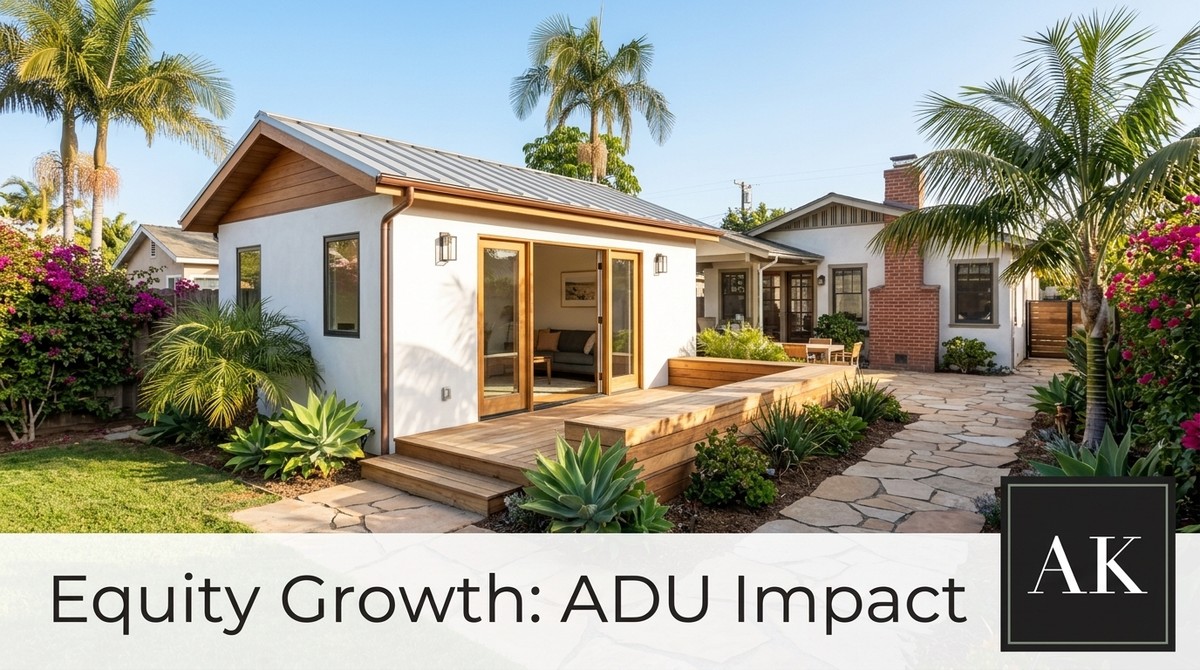
Navigating the San Diego real estate market often involves finding creative ways to maximize your investment. One of the most effective strategies we have seen recently is the addition of an accessory dwelling unit on existing residential lots. Homeowners and investors alike are constantly asking me about the measurable impact these backyard homes have on their portfolios. In this comprehensive case study, we are going to look closely at how these strategic additions directly influence ADU property value across various local neighborhoods.
My priority is always finding the perfect fit for your family or your investment goals, and that means looking closely at the hard numbers. We will break down actual construction costs, compare them against the overall equity gained, and evaluate the long-term financial benefits. You deserve an agent who truly listens and dedicates themselves to your success in every transaction. That is exactly why I gathered this comprehensive data to help you move forward with absolute confidence.
Table of Contents
- Why San Diego Homeowners Choose ADUs
- Analyzing ADU Property Value Data
- Case Study One: Expanding in Clairemont
- Case Study Two: Premium Additions in La Jolla
- Case Study Three: Coastal Appeal in Ocean Beach
- Evaluating Construction Costs Versus Equity
- Frequently Asked Questions
- Next Steps for Your Property
Why San Diego Homeowners Choose ADUs
The San Diego housing landscape has shifted dramatically over the past few years, prompting families to seek out innovative living solutions. Accessory dwelling units offer a brilliant way to create multigenerational living spaces without the need to purchase a completely new property. This approach keeps families close while maintaining the privacy and independence that everyone desires. It is about more than a house; it is about securing your future and adapting to your changing lifestyle needs.
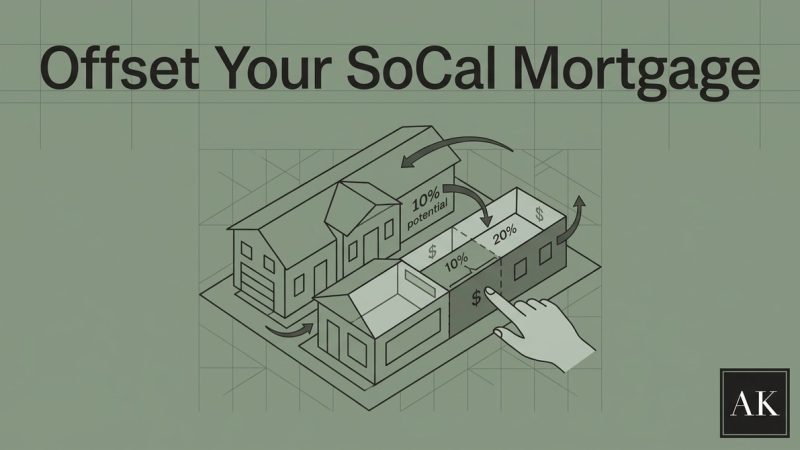
Investors are equally enthusiastic about the potential for strong rental income in high-demand areas. Building an additional unit on an existing lot effectively turns a single-family home into an income-producing duplex. This strategy helps offset high mortgage rates and provides a reliable stream of cash flow month after month. My approach is built on honesty and hard work, so I always advise clients to carefully weigh the upfront costs against this long-term income potential.
Furthermore, local legislation has made it significantly easier to secure permits for these structures. The city has streamlined the approval process and reduced many of the traditional barriers to entry for backyard builders. As a result, we are seeing a massive wave of construction that is fundamentally reshaping our local neighborhoods. Understanding this trend is the first step toward making an informed, profitable real estate decision.
Analyzing ADU Property Value Data
To truly understand the benefits of these additions, we must look at the concrete numbers driving our local market. Below is a detailed breakdown of three recent property evaluations where homeowners successfully completed their building projects. The data highlights the initial construction costs alongside the impressive equity gains realized upon completion. This kind of transparent information is crucial for anyone considering a similar project.
| Neighborhood | Construction Cost | Pre-ADU Value | Post-ADU Value | Net Equity Gain |
|---|---|---|---|---|
| Clairemont | $145,000 | $850,000 | $1,120,000 | $125,000 |
| La Jolla | $280,000 | $2,100,000 | $2,650,000 | $270,000 |
| Ocean Beach | $175,000 | $1,050,000 | $1,380,000 | $155,000 |
As the table demonstrates, the return on investment can be substantial across different price points and zip codes. While construction costs vary based on finishes and square footage, the resulting bump in equity consistently outpaces the initial cash outlay. This measurable impact on ADU property value is exactly why so many of my clients are eager to explore their building options.
Case Study One: Expanding in Clairemont
Our first example takes us to a classic mid-century property situated on a generous lot. The homeowners recognized that the Clairemont real estate market was ripe for additional housing density. They decided to build a 600-square-foot detached unit in their expansive backyard, primarily to house aging parents. The project took roughly eight months from the initial design phase to the final city inspection.
The financial transformation of this property was nothing short of remarkable. By investing $145,000 in a smartly designed, efficient build, they instantly elevated their property’s market appeal. When we ran the comparative market analysis upon completion, the total home value had jumped from $850,000 to $1,120,000. This created a net equity gain of $125,000, which fundamentally changed their financial trajectory.
Beyond the impressive numbers, the family achieved their primary goal of keeping their loved ones close. The parents now enjoy a brand-new, customized living space that requires minimal maintenance. This case study perfectly illustrates how smart real estate moves can blend emotional satisfaction with serious financial rewards.
Case Study Two: Premium Additions in La Jolla
Moving over to the coast, our second case study involves a luxury property where the stakes and the finishes were significantly higher. Building in this neighborhood requires a keen understanding of the sophisticated tastes expected in La Jolla coastal properties. The homeowners opted for a 800-square-foot premium guest house featuring high-end appliances, custom cabinetry, and panoramic windows. The goal was to create a high-yielding short-term rental that matched the aesthetic of the main estate.
The construction budget for this premium addition reached $280,000, reflecting the superior materials and complex site preparations required on the sloping lot. However, the subsequent appraisal validated every single dollar spent on the project. The overall property value skyrocketed from $2,100,000 to an incredible $2,650,000. This massive $550,000 increase resulted in a net equity gain of $270,000.
The homeowners now command top-tier rental rates that more than cover the financing used for the construction. Their project proves that when you align your building strategy with the specific demands of a luxury market, the returns can be exponential. It takes steady negotiation with contractors and a clear vision to execute, but the final product speaks for itself.
Case Study Three: Coastal Appeal in Ocean Beach
Our final evaluation focuses on a vibrant, densely populated coastal community known for its strong rental demand. A savvy investor purchased a property with a detached two-car garage and immediately saw the potential for a conversion. Given the historical trajectory of Ocean Beach home values, converting the garage into a functional living space was a highly strategic move. The project focused on maximizing the existing footprint while adding modern, durable finishes suited for beachside living.
Because they utilized an existing structure, the construction timeline was significantly compressed, and the costs were kept to a reasonable $175,000. The newly minted unit added essential housing to a market that desperately needs it, instantly attracting long-term tenants. The property valuation increased by $330,000, leaving the investor with a solid $155,000 in newly created equity.
This approach highlights the efficiency of garage conversions in older San Diego neighborhoods. You do not always need to build from the ground up to see a tremendous return on your investment. By identifying underutilized spaces and executing a clear plan, investors can rapidly build wealth while providing quality housing.
Evaluating Construction Costs Versus Equity
When you are planning your project, it is essential to separate your emotional desires from the economic realities. The cost of labor, materials, and permitting in California can fluctuate, meaning your initial estimates require a healthy contingency fund. I always sit down with my clients to review multiple contractor bids, ensuring we are getting competitive pricing without sacrificing structural quality. It is a critical step that prevents budgets from spiraling out of control.
The equity you gain is directly tied to the square footage you add and the comparable sales in your immediate radius. A beautifully finished unit in a desirable neighborhood will always appraise higher than a basic build in a transitional area. That is why personalized marketing and accurate pricing evaluations are so vital before you even break ground. We must verify that the projected post-construction value justifies the financial risk.
Ultimately, the math has to make sense for your specific situation. Whether you are using a home equity line of credit, a cash-out refinance, or personal savings, the cost of capital must be factored into your net return. I am dedicated to helping every client navigate these financial complexities so the whole process feels straightforward and secure.
Frequently Asked Questions
How much does an ADU typically increase home value in San Diego?
While the exact figure depends heavily on the neighborhood and the quality of the build, most properties see an increase ranging from 20 to 30 percent of their original value. A well-designed unit adds highly desirable livable square footage, which is the primary metric appraisers use. I always run a localized comparative market analysis to give you a precise estimate before you start.
Are there property tax implications when building an accessory unit?
Yes, building an additional unit will trigger a reassessment, but only for the newly constructed portion of your property. Your existing home retains its original tax basis under Proposition 13, meaning your current property taxes will not suddenly skyrocket. The new unit will be assessed based on the cost of construction, which adds a predictable, manageable increase to your annual tax bill.
How long does the permitting and construction process take?
On average, you should expect the entire process to take anywhere from eight to twelve months from start to finish. The design and permitting phase can take three to four months, depending on the current backlog at the city planning office. The actual construction typically requires another five to eight months, barring any severe weather delays or supply chain issues.
Next Steps for Your Property
Deciding to expand your home is a massive commitment, but the financial and personal rewards are incredibly clear. The data from our local market consistently proves that these additions are a reliable way to force appreciation and generate wealth. Whether you are in North Park, Santee, or anywhere in between, the fundamentals of a good investment remain the same. You just need the right guidance to execute the plan smoothly.
If you are wondering how these numbers apply to your specific address, it is time we have a detailed conversation. I am here to provide the accurate pricing and honest feedback you need to make the best possible choice. Please do not hesitate to reach out to our team so we can start evaluating your lot’s true potential today.
Your real estate journey should be exciting, not overwhelming or confusing. As the leading voice at Adam King Real Estate Strategies, I promise to work tirelessly to ensure you achieve your property goals. Let’s build your future, one smart investment at a time.