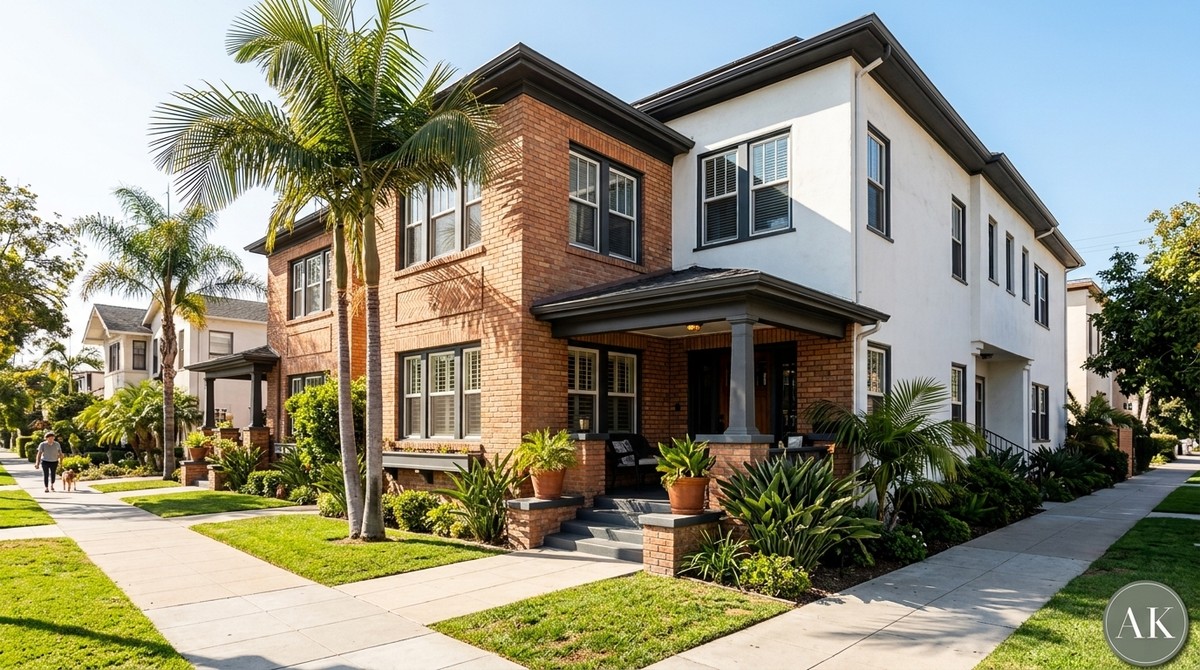
Real-World Multi-Family Investment Success in SoCal
Building wealth in Southern California real estate often feels daunting, but achieving true multi-family investment success is entirely possible with the right approach. From acquiring duplexes in San Diego to securing triplexes in Los Angeles, smart investors are generating positive cash flow and building lasting equity. This guide explores real-world case studies of clients who transformed their financial futures through strategic property acquisitions. Whether you are a first-time homebuyer looking to house-hack or a seasoned investor expanding your portfolio, these stories offer practical insights.
The journey to financial independence through real estate requires careful planning and a deep understanding of local market dynamics. Navigating the San Diego market can feel complex, but I am here to ensure you feel confident and clear on every decision we make together. My priority is always finding the perfect fit for your family or your investment goals. It is about more than just buying a house; it is about securing your long-term future.
Table of Contents
Before diving into the specific case studies, it is helpful to understand the roadmap we will follow in this comprehensive guide. The table of contents below outlines the key topics we will cover regarding property acquisition and portfolio growth. You can use this outline to understand our strategic approach to the Southern California market. Feel free to read straight through or focus on the sections most relevant to your current real estate goals.
- Achieving Multi-Family Investment Success
- A Clairemont Duplex Case Study
- Transforming an Ocean Beach Triplex
- Los Angeles Market Opportunities
- Essential Strategies for Market Navigation
- Overcoming Common Investor Hurdles
- Frequently Asked Questions
- Ready to Build Your Portfolio?
Achieving Multi-Family Investment Success
Achieving multi-family investment success starts with recognizing the unique benefits these properties offer over traditional single-family homes. When you purchase a two-to-four unit property, you benefit from economies of scale that can significantly improve your bottom line. Roof repairs, exterior painting, and landscaping costs are distributed across multiple rental incomes rather than falling on a single tenant. This consolidated approach to property maintenance helps protect your cash flow and stabilizes your monthly expenses.
Another major advantage of investing in residential multi-family properties is the availability of favorable financing options. Buildings with four units or fewer are classified as residential real estate, which means buyers can often secure thirty-year fixed-rate mortgages. This type of loan provides predictable, long-term debt service that is immune to sudden interest rate spikes. For investors looking to maximize their leverage, this financing structure is an incredibly powerful tool for wealth creation.
Finally, multi-family properties inherently reduce your vacancy risk compared to single-family rentals. If a tenant moves out of your single-family home, your rental income drops to zero instantly. However, if one unit in a triplex sits vacant for a month, the other two units continue to generate revenue to cover the mortgage. This built-in buffer allows you to manage turnover without facing severe out-of-pocket expenses during transition periods.
A Clairemont Duplex Case Study
One of the most effective ways to enter the real estate market is through a strategy commonly known as house hacking. I recently worked with a young couple who wanted to buy their first home but felt priced out of the single-family market in central San Diego. We shifted our focus to two-unit properties that would allow them to live in one unit while renting out the other. After reviewing several neighborhoods, we began exploring homes in Clairemont due to its central location and strong rental demand.
We identified a mid-century duplex that had been lingering on the market because it needed some cosmetic updates. My approach is built on honesty and hard work, so we thoroughly inspected the property to ensure the necessary repairs were strictly aesthetic rather than structural. We successfully negotiated a favorable purchase price along with seller credits to help cover the immediate renovation costs. This strategic negotiation allowed the buyers to preserve their capital for necessary upgrades.
After closing, the couple moved into the front unit and spent three weeks updating the flooring and paint in the rear unit. They quickly secured a reliable tenant whose monthly rent payment covered nearly sixty percent of their total mortgage. By treating their home purchase as a business decision, they drastically reduced their living expenses while building equity in a rapidly appreciating neighborhood. Today, that property is a cornerstone of their growing financial portfolio.
Transforming an Ocean Beach Triplex
For more seasoned investors, success often involves finding underperforming assets in highly desirable coastal locations. A client recently approached me looking to execute a 1031 exchange, which requires identifying a replacement property within a strict timeline. They wanted a property with strong long-term appreciation potential and a steady pool of prospective tenants. We immediately began evaluating Ocean Beach investment properties because of the area’s vibrant culture and proximity to the water. 🏢
We located a triplex located just a few blocks from the beach that was being sold by a long-term owner. The current rents were significantly below market value, and the units had not been updated in over two decades. We underwrote the property meticulously to project the after-repair value and the potential market rents once the units were modernized. The numbers made sense, so we moved quickly to submit a strong, competitive offer that stood out to the seller.
Upon acquiring the property, the investor implemented a strategic value-add plan to renovate each unit as the legacy leases expired. They installed durable luxury vinyl plank flooring, updated the kitchen cabinetry, and added in-unit laundry facilities to attract premium renters. Within eighteen months, the gross rental income had doubled, and the property’s overall valuation had increased by hundreds of thousands of dollars. This case study perfectly illustrates the power of combining a great location with a dedicated improvement strategy.
Los Angeles Market Opportunities
While San Diego offers incredible opportunities, the Los Angeles market presents its own unique pathways for investors willing to navigate its complexities. Neighborhoods like Culver City, Venice, and Santa Monica are characterized by high barriers to entry but offer exceptional long-term appreciation. Many buyers assume that investing in Los Angeles requires massive amounts of upfront cash, but strategic financing can open unexpected doors. Just like in San Diego, the key is finding the right property and applying a disciplined underwriting process.
Consider the case of an investor who targeted the Culver City area to take advantage of its growing tech hub and strong demographic trends. We focused on finding a duplex that could qualify for an FHA loan, allowing the buyer to put down a remarkably low percentage of the purchase price. The search required patience, as finding a multi-family property that meets FHA condition standards in Los Angeles can be challenging. However, dedication and persistent market monitoring eventually uncovered a perfect candidate.
The buyer secured the property and immediately began renting the second unit to a young professional working nearby. The rental income offset the higher mortgage payments associated with the low down payment, making the investment highly sustainable. Over the next five years, the localized market surged, and the buyer was able to refinance out of the FHA loan entirely. They dropped their mortgage insurance premium and locked in permanent positive cash flow, proving that smart leverage works beautifully in high-priced markets. 📈
Essential Strategies for Market Navigation
Regardless of whether you are buying in La Jolla or West Hollywood, the foundation of a profitable investment remains consistent. The most critical step is running accurate financial models before you ever submit an offer. You must account for property taxes, insurance, routine maintenance, property management fees, and expected vacancy rates. Relying on overly optimistic projections is a common mistake that can turn a seemingly good deal into a monthly financial burden.
Location selection is another pillar of sustainable real estate wealth creation. You want to identify neighborhoods that exhibit strong job growth, excellent walkability, and ongoing public infrastructure improvements. Properties situated in desirable areas tend to attract higher-quality tenants who stay longer and take better care of the units. As an agent backed by the full NewTown Real Estate team, I pair deep local market knowledge with personalized analysis to help you pinpoint these exact locations.
Finally, having sufficient cash reserves cannot be overstated when managing multi-family properties. Unexpected expenses will inevitably arise, from emergency plumbing repairs to sudden appliance failures. Maintaining a dedicated reserve fund ensures that you can handle these issues swiftly without disrupting your personal finances or resorting to high-interest credit cards. Prepared investors sleep well at night knowing their assets are fully protected against the unpredictable nature of property ownership.
Overcoming Common Investor Hurdles
Every real estate journey involves overcoming obstacles, and multi-family investing is certainly no exception to this rule. One of the most frequent challenges new investors face is managing tenant relationships and understanding local housing regulations. Southern California has specific tenant protection laws that govern rent increases, eviction procedures, and habitability standards. Partnering with a knowledgeable property manager or dedicating time to educate yourself on these regulations is absolutely essential for your protection.
Another common hurdle is navigating the competitive bidding landscape for prime two-to-four unit properties. Because these assets are highly sought after by both owner-occupants and institutional investors, inventory is often limited. Winning a multiple-offer situation requires more than just a high purchase price; it requires clean terms, proof of funds, and a compelling narrative. I specialize in steady negotiation to ensure my clients present the strongest possible offers without overpaying.
Lastly, managing renovations while units are occupied requires extreme tact and careful scheduling. If you are executing a value-add strategy, you must respect your current tenants’ right to quiet enjoyment while coordinating with contractors. Clear communication, proper notice, and realistic timelines are the keys to a smooth renovation process. When handled correctly, these upgrades ultimately benefit everyone by providing a superior living space and increasing the building’s overall value.
Frequently Asked Questions
Many prospective clients come to me with similar questions when they first begin exploring multi-family real estate. To help clarify the process, I have compiled answers to some of the most common inquiries I receive. If you have specific questions about your unique financial situation, I am always available for a private consultation. My goal is to provide honest guidance so you can move forward with absolute confidence.
What is considered a multi-family property?
In residential real estate terms, a multi-family property is any single building or parcel that contains two to four separate housing units. This includes duplexes, triplexes, and fourplexes. Properties with five or more units are classified as commercial real estate, which involves different financing rules, zoning laws, and appraisal methods. Sticking to two-to-four units is usually the best starting point for individual investors.
Is it better to invest in San Diego or Los Angeles?
Both markets offer exceptional opportunities, but the best choice depends entirely on your personal goals and available capital. San Diego often provides a slightly more accessible entry price and excellent quality of life for house hackers. Los Angeles generally requires a higher initial investment but can offer remarkable long-term appreciation in rapidly gentrifying neighborhoods. We can analyze both regions to see which aligns better with your timeline and budget.
How much down payment is required?
The required down payment varies based on whether you plan to live in the property or rent out all the units. If you are an owner-occupant, you can often secure financing with as little as three-and-a-half to five percent down using specific loan programs. If you are purchasing strictly as an investment property and will not live there, lenders typically require a down payment of twenty to twenty-five percent. Exploring all your financing options early in the process is crucial.
Ready to Build Your Portfolio?
Taking the leap into multi-family real estate is a significant decision, but you do not have to navigate it alone. Adam King Real Estate Strategies is dedicated to helping every client buy, sell, and invest in Southern California real estate with complete confidence. You deserve an agent who truly listens, works hard for you, and makes the entire process feel straightforward. I am here to provide the accurate pricing and personalized marketing you need to succeed.
Whether you are actively looking for a duplex to house-hack or want to explore expanding your current holdings, I would love to help. I invite you to reach out to discuss your goals and begin formulating a winning strategy. If you want to learn more about how I work, you can also review experiences from past clients who have successfully navigated this market. Let’s work together to turn your real estate investment dreams into a tangible, profitable reality.