Measurable ADU Property Value Impact in San Diego
Navigating the San Diego real estate market often involves finding creative ways to maximize your investment. Over the past few years, we have seen a massive surge in homeowners adding Accessory Dwelling Units to their lots. If you are considering this strategy, you likely want to know the real ADU property value impact before breaking ground. At Adam King Real Estate Strategies, my priority is ensuring you feel confident and clear on every decision we make together.
We are going to look closely at data-backed before-and-after evaluations of local properties. This will help us understand exactly how construction costs compare to the overall property equity gained. You deserve an agent who truly listens and dedicates themselves to your success, and providing accurate market data is how I deliver on that promise. Let us dive into the numbers and explore how these additions are transforming local real estate portfolios.
Table of Contents
- Understanding the ADU Property Value Impact
- Case Study 1: A Clairemont Transformation
- Case Study 2: Maximizing Equity in Coastal Markets
- Case Study 3: Ocean Beach Investment Success
- Analyzing the Data: Construction Costs Versus Equity Gained
- Strategic Considerations for Your Project
- Financing Strategies for Your New Addition
- Frequently Asked Questions About ADUs
- Next Steps with Adam King Real Estate Strategies
Understanding the ADU Property Value Impact
From Pacific Beach to Santee, building a secondary unit is about more than just adding square footage. It is about your financial future and creating flexible living arrangements for your family 🏡. When we evaluate the ADU property value impact, we have to look beyond the immediate rental income potential. We must carefully analyze the raw construction costs, the permitting fees, and the ultimate appraisal value once the project is fully completed.
Homeowners often ask me if the equity gained justifies the upfront capital required to complete these projects. The answer depends heavily on your location, your lot size, and the quality of the finishes you choose. By examining real-world examples, we can remove the guesswork and provide a clear picture of what you can expect when investing in an accessory dwelling unit in San Diego. We will break down exactly how these investments perform across different neighborhoods.
Case Study 1: A Clairemont Transformation
Let us start by looking at a fantastic project completed recently in a highly desirable neighborhood. The owners had a spacious backyard that was mostly underutilized, and they decided to build a detached two-bedroom unit. Before construction began, we evaluated the baseline property value using recent comparable sales in the area. We reviewed the Clairemont real estate market to ensure the projected after-repair value would support their significant investment.
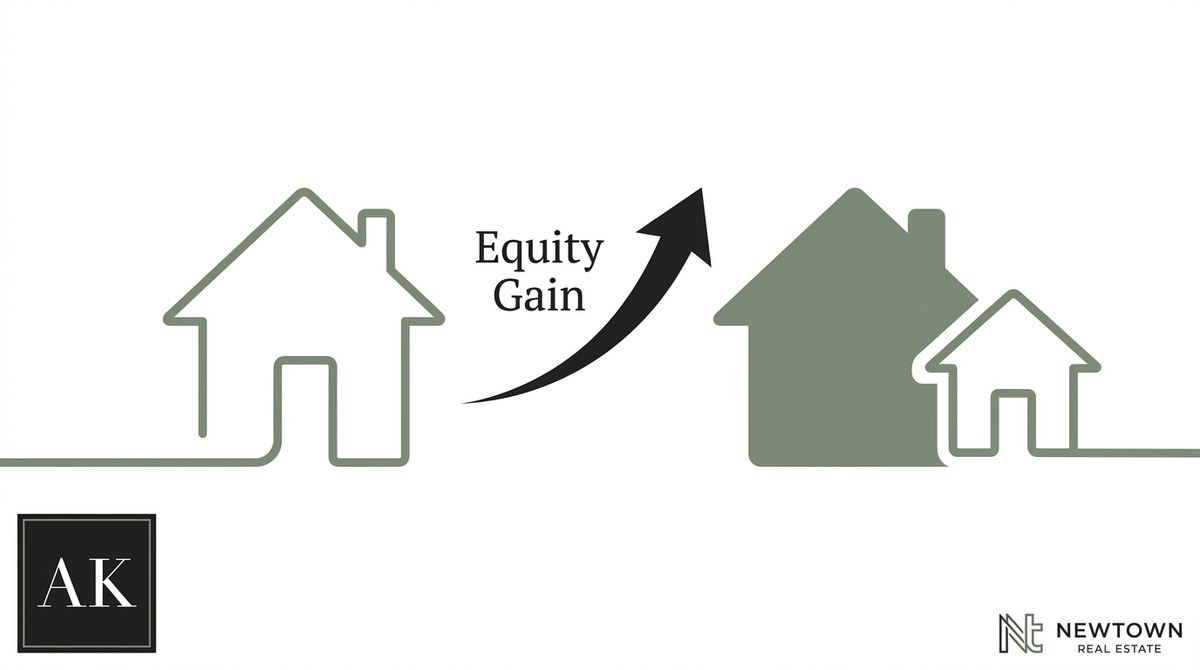
The construction costs (including permits and utility trenching) came to approximately one hundred and eighty thousand dollars. After the final inspections were signed off, the property was appraised again to measure the true equity gained. The new valuation came in three hundred thousand dollars higher than the baseline appraisal. This resulted in an immediate net equity gain of one hundred and twenty thousand dollars, proving that strategic additions can significantly enhance your financial position.
These clients now have a passive income stream that covers their primary mortgage while holding a much more valuable asset! If you are looking at similar neighborhoods, reviewing the data for Clairemont Mesa East can provide further insights into localized value trends. Every neighborhood behaves slightly differently, so having accurate, hyper-local data is absolutely essential for your long-term success.
Case Study 2: Maximizing Equity in Coastal Markets
Coastal properties often present unique opportunities and distinct challenges when it comes to secondary units. A recent client decided to convert a detached garage and expand its footprint to create a luxury guest house. Because coastal zoning laws can be complex, they required precise guidance and a clear understanding of the potential return on investment. We analyzed the La Jolla property landscape to make sure the high-end finishes they planned would translate directly into appraised value.
Their total investment reached two hundred and fifty thousand dollars due to premium materials and complex foundation work. However, the resulting appraisal bump was extraordinary, adding over four hundred and fifty thousand dollars to the overall property value. This massive increase reflects the high demand for usable square footage in premium coastal zip codes. The clients were thrilled to see such a strong return, which reinforced our shared belief in making calculated, data-driven real estate decisions.
The project completely transformed their property while securing their long-term wealth building goals. We successfully navigated the intricate coastal permitting process by relying on experienced local contractors and architects. When you are operating in high-value neighborhoods, precision in execution is just as important as the initial vision.
Case Study 3: Ocean Beach Investment Success
Investors are constantly seeking ways to force appreciation and increase cash flow simultaneously. Another compelling case study involves an investor who purchased a single-family home with a large, flat lot specifically to add an accessory dwelling unit. We targeted specific neighborhoods where rental demand consistently outpaces supply, ensuring the new unit would lease immediately. Exploring options in areas like North Ocean Beach allowed the investor to capitalize on strong tenant interest and favorable zoning regulations.
The construction of a modular unit kept their costs relatively low at one hundred and fifty thousand dollars. The property valuation increased by two hundred and seventy-five thousand dollars upon completion, yielding a net equity gain of one hundred and twenty-five thousand dollars. Furthermore, the rental income from the new unit drastically improved the capitalization rate of the entire property. This specific strategy showcases how combining smart acquisitions with strategic improvements can yield incredible results for your real estate portfolio.
Analyzing the Data: Construction Costs Versus Equity Gained
When we aggregate the data from these case studies and others across San Diego, a clear pattern emerges regarding return on investment 📊. On average, homeowners are seeing a property value increase that is one and a half to two times the cost of construction. It is important to note that these numbers fluctuate based on whether you are doing a garage conversion, an attached addition, or a brand new detached build. Garage conversions typically offer the highest immediate percentage return because the structural shell already exists.
Detached builds require more capital upfront but generally yield the highest overall dollar amount in equity gained. My approach is built on honesty and hard work, which means I will always give you the unvarnished truth about your specific property. If your lot layout or local zoning restrictions will eat into your profit margins, we will discuss those realities before you spend a single dollar on architectural plans. Protecting your capital is always my primary objective.
Strategic Considerations for Your Project
Before you commit to an addition, you must evaluate several critical factors to ensure your investment is completely sound. First, you need to understand the specific zoning regulations and setback requirements for your exact parcel. Second, you should carefully analyze the neighborhood comparables to see how appraisers are valuing secondary units in your immediate vicinity. Sometimes, overbuilding for a specific neighborhood can lead to diminishing returns, which is why a thorough market analysis is absolutely essential.
You deserve an agent who truly listens and dedicates themselves to your success by providing this granular level of data. We can sit down and review recent sales of properties with multiple units to gauge the exact premium buyers are willing to pay. This step ensures that your construction budget aligns perfectly with the projected equity gains, keeping your financial future secure. Making informed decisions upfront saves you from costly surprises down the road.
Financing Strategies for Your New Addition
Funding a major construction project requires careful planning and the right financial products to maximize your leverage. Many homeowners choose to tap into their existing home equity through a cash-out refinance or a home equity line of credit. These options allow you to access the capital trapped in your primary residence at relatively favorable interest rates. We always recommend consulting with a trusted mortgage professional to compare the long-term costs of these different financing vehicles.
Another popular route is utilizing renovation loans specifically designed for accessory dwelling units. These specialized loans base the borrowing limit on the projected future value of the property rather than its current as-is condition. This is incredibly helpful when your initial equity might not cover the full scope of your ambitious construction plans. By securing the right financing, you ensure that the project progresses smoothly without unnecessary delays or stressful cash shortages.
Frequently Asked Questions About ADUs
Clients often bring me fantastic questions when they are weighing the pros and cons of these complex development projects. A common question is whether an accessory dwelling unit will increase their property taxes significantly. The answer is yes, the new construction will trigger a reassessment, but typically only the value of the new addition is taxed, leaving your base property tax rate intact. This creates a highly favorable environment for building new equity without skyrocketing your annual carrying costs.
Another frequent question involves the timeline for permitting and construction in the current San Diego market environment. Generally, you should expect the entire process from initial design to final inspection to take anywhere from nine to eighteen months. People also ask if they need to provide additional parking for the new unit on their lot. In many transit-priority areas across San Diego, parking requirements have been entirely waived, which can save you significant space and money during the development phase.
Next Steps with Adam King Real Estate Strategies
Making significant changes to your property is a major decision that requires expert guidance and a deep understanding of local market dynamics. Whether you are looking to create a multi-generational living space or strictly focusing on maximizing your investment returns, having the right data is absolutely crucial. My goal is always to help you buy, sell, and invest in San Diego real estate with complete confidence.
If you are ready to explore the potential of your property, we should connect and review your specific options today. Visit the Adam King Real Estate Strategies homepage to learn more about my dedicated approach. I am here to help you navigate every single step of the real estate process with clarity and purpose.